Why Reliable Diesel Upgrades Start With the Right Application
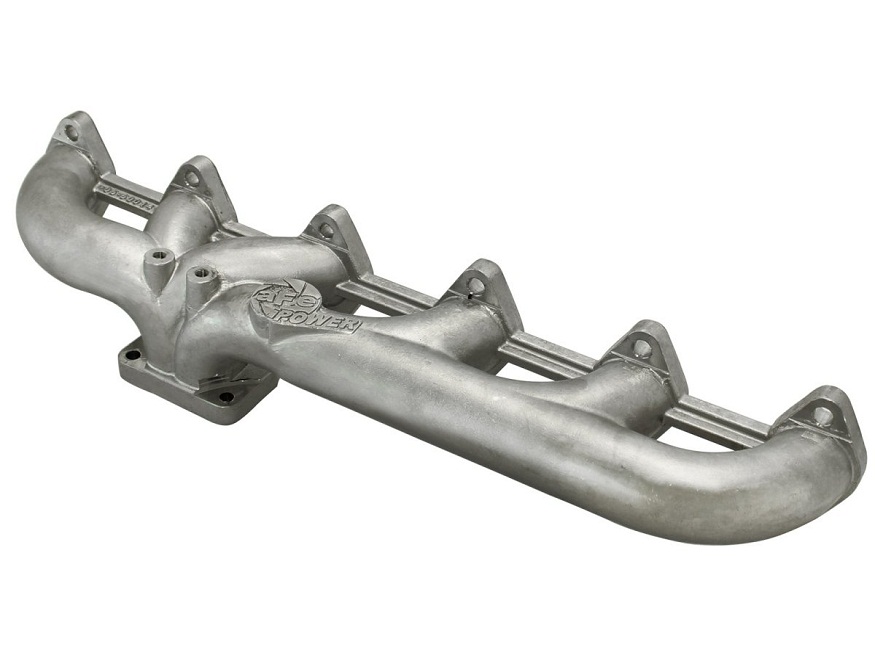
Diesel owners rarely upgrade for a single reason. A contractor may need stronger pulling power on steep grades, a fleet manager may want better performance under heavy loads, and a recreational truck owner may simply want more responsive acceleration. The right solution depends on how the vehicle is used, not just on the horsepower number advertised for a part.
Choosing upgrades by application helps protect the engine, transmission, fuel system, and budget. It also prevents a common mistake: installing a high-output component that performs well in one truck but creates unnecessary stress in another.
Match the Upgrade to the Truck’s Daily Work
A truck used for towing equipment has different needs than one that spends most of its time commuting. Before selecting a turbocharger, injectors, tuning solution, or related diesel performance part, consider the vehicle’s normal workload.
Read More : How Economic Conditions Influence the South African Insurance Market
Key questions include:
- What weight does the truck regularly tow or carry?
- Is it used on highways, job sites, mountain roads, or a combination of environments?
- How many miles does it travel each week?
- Does it need quick low-end response or sustained power at highway speed?
- Is the transmission original, rebuilt, or already upgraded?
A vehicle that hauls a trailer every weekend may benefit from improved torque and efficient airflow, but the upgrade must remain within the transmission’s practical limits. A work truck operating ten hours a day may need durability and consistent temperatures more than maximum peak output.
This is where application-focused parts selection becomes valuable. Resources such as Parleys diesel performance can help owners compare components based on engine family, intended use, and compatibility rather than selecting the most aggressive option available.
Consider Seasonal and Regional Demands
Seasonal conditions can expose weaknesses that are easy to overlook during mild-weather driving. In winter, cold starts and increased idling can place additional demands on the battery, fuel system, and engine oil. During summer, towing through high temperatures can make cooling capacity and exhaust gas temperature control more important.
Location also affects the decision. A truck working in mountainous areas may need dependable performance during long climbs, while a vehicle operating near sea level may be tuned around different airflow conditions. Drivers in rural regions may also place more importance on serviceability, since a breakdown can mean a long trip to the nearest repair facility.
The best upgrade is therefore not universal. It is the one that performs reliably under the conditions the truck regularly encounters.
Reliability Depends on the Complete System
Installing one upgraded component can change how the rest of the vehicle operates. For example, a larger turbocharger may support more airflow, but it may also require appropriate fueling, tuning, cooling, and exhaust support. If the transmission cannot handle the additional torque, improved engine output may simply move the failure point to another expensive component.
Before purchasing, inspect the vehicle’s current condition. A worn intercooler hose, restricted air filter, aging fuel pump, or slipping transmission can make a performance upgrade less effective. Correcting those issues first often produces a more noticeable improvement than adding power immediately.
It is also important to verify part compatibility by engine code, model year, and existing modifications. Diesel engines that share a general displacement may still use different turbocharger fittings, sensors, fuel requirements, or electronic controls. A part that appears to fit may not deliver the intended results without additional adjustments.
Calculate the Real Cost
The purchase price is only one part of an upgrade budget. Include installation labor, tuning, supporting hardware, fluids, diagnostic work, and possible drivetrain upgrades. A lower-cost component that requires repeated repairs can become more expensive than a properly matched solution.
Owners should also consider downtime. For a personal truck, an installation delay may be inconvenient. For a contractor or delivery operator, several days out of service can affect schedules, payroll, and customer commitments. Paying for quality parts and professional installation may reduce that operational risk.
Make Performance Serve the Vehicle’s Purpose
A dependable diesel upgrade should make the truck better at its actual job. That might mean holding speed while towing, reducing strain during long climbs, improving throttle response, or maintaining consistent performance during a demanding workday.
Read More : What Are Some Ways You Can Customise Your KTM Bike?
Start with the workload, climate, terrain, maintenance history, and drivetrain limitations. Then choose components that work together and support a measurable result. When performance improvements are selected around real use instead of marketing claims, owners gain more than extra power—they gain a truck that remains useful, predictable, and reliable long after the installation is complete.





Post Comment
You must be logged in to post a comment.